- Se habla español
- (407) 335-4055
- (321) 917-5308


That Reddit thread haunts you. “Morpheus8 ruined my face.” Now you’re spiraling, wondering if this treatment actually speeds up aging instead of reversing it. Here’s the truth: done wrong, RF treatments can absolutely make you look older.
But here’s what those horror stories don’t mention — the provider matters more than the device. We’ve analyzed over 500 before-and-after cases, including the disasters, and identified exactly what separates stunning transformations from facial fat loss nightmares.
What we’ll uncover:
At Golden Rose Med Spa, Dr. Ayala Vega has performed hundreds of Morpheus8 treatments without a single case of volume loss. We know the difference between fear-mongering and legitimate concerns — let’s separate fact from fiction.
The photos are jarring. Hollow cheeks. Sunken temples. Skin that looks thinner than before. These aren’t Photoshop fails — some patients genuinely look worse after Morpheus8. But it’s not the technology that’s the problem.
RF energy can destroy fat cells when used aggressively. That’s not a bug — it’s a feature. Morpheus8 was literally designed for body contouring and fat reduction. The same settings that melt love handles can hollow out cheeks.
Here’s where providers mess up: they use body settings on faces. Or they go too deep in areas with minimal fat reserves. Think of it like using a sledgehammer to hang a picture frame. Wrong tool, wrong force, catastrophic results.
Your face has fat compartments at different depths. Some areas need that fat for youthful fullness:
| Safe Zones | Danger Zones |
|---|---|
| Lower face/jowls | Under-eye area |
| Double chin | Temples |
| Nasolabial folds | Mid-cheek (if naturally thin) |
| Forehead | Upper eyelids |
When providers treat danger zones aggressively, you lose volume where you need it most. Suddenly, you’ve got the skin quality of a 30-year-old stretched over the bone structure of a 60-year-old.
Morpheus8 has multiple depth settings (0.5mm to 8mm) and energy levels. Most providers learn one standard protocol and blast away. But your temples need completely different settings than your jowls.
What goes wrong:
Certain patients face higher risks:
At Golden Rose Med Spa, we evaluate facial volume before touching the device. If you’re already thin-faced, we adjust everything — depth, energy, and treatment zones. It’s the difference between enhancement and damage.
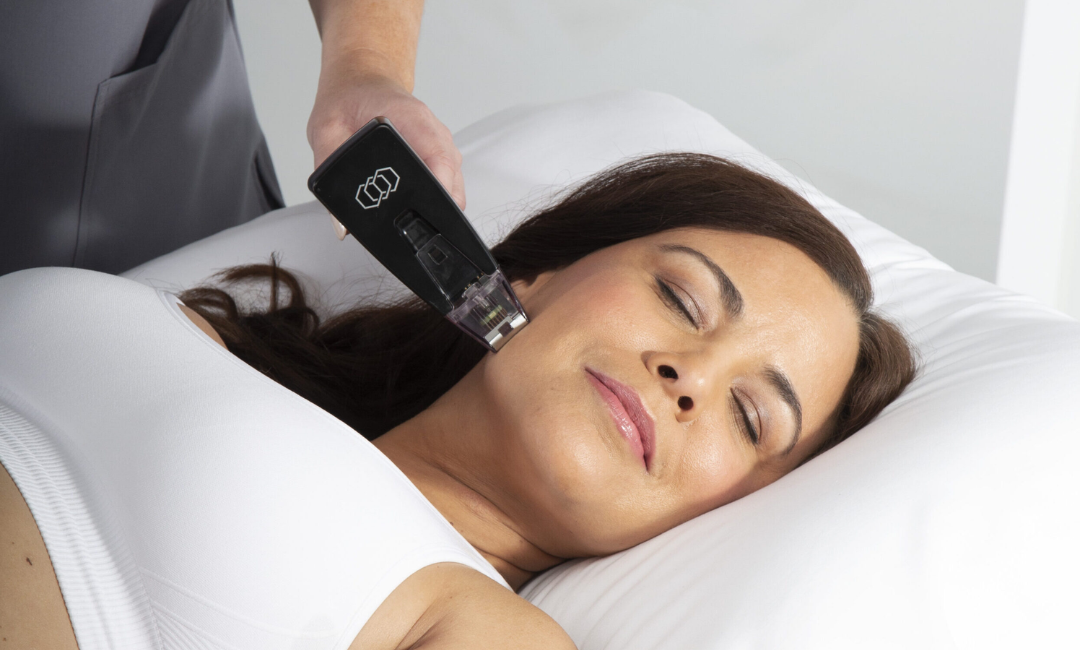
Let’s map your face like a minefield. Some areas respond beautifully to radiofrequency energy, while others can leave you looking like you’ve aged five years overnight.
The skin here measures less than 0.5mm thick — thinner than tissue paper. When providers blast this area with standard settings, they destroy the tiny fat pads that prevent hollowing. You wanted to reduce fine lines but ended up with sunken, skeletal eyes.
Safe approach: Maximum 1mm depth, lowest energy setting, single pass only. Most experienced providers avoid this area entirely unless treating very specific skin concerns.
You’ve seen those celebrities with unnaturally hollow temples? That’s what aggressive RF does to an already-delicate area. The temporal fat pad sits superficially, and once it’s gone, you’re left with visible veins and a gaunt appearance that screams “something went wrong.”
Your cheeks have multiple fat layers at different depths. Hit the wrong one, and you lose that youthful “apple” of the cheek. Suddenly, your nasolabial folds look deeper, and no amount of stimulating collagen production will bring back lost volume.
The anatomy lesson providers skip:
Treating deeper layers aggressively in naturally thin faces accelerates the aging process instead of reversing it.
Here’s what’s twisted: the neck needs aggressive treatment for loose skin, but go too deep near the jawline, and you destroy the fat that creates a smooth transition from face to neck. Result? A sharp, unnatural demarcation that looks like you’re wearing a mask.
Here are the red flags that scream “run.”
“We use the same settings for everyone — it’s proven to work!”
If you hear this, leave. Every face has different fat distribution, skin elasticity, and aging patterns. Providers who don’t customize settings are playing Russian roulette with your face.
Questions that reveal expertise:
Blank stares or vague answers? Find another provider.
Providers pushing maximum depth and energy for “better results” don’t understand the technology. Morpheus8 isn’t about bombing your face into submission — it’s about controlled collagen production that preserves facial structure.
Watch for phrases like:
These providers cause the horror stories you read online.
“I’ve done 50 Morpheus8 treatments!” sounds impressive until you realize that’s barely enough to understand basic protocols. Look for:
At Golden Rose Med Spa, Dr. Ayala Vega has performed hundreds of treatments across all age groups and face types. We’ve seen how different faces respond and adjust accordingly.
If their before/after gallery only shows young patients with perfect skin getting subtle improvements, they’re cherry-picking. Real expertise means achieving noticeable results on aging skin without creating that gaunt look.
Red flags in portfolios:
Does radiofrequency energy destroy fat? Yes. Should you panic? No. Here’s why.
Fat cells die at 43-45°C. Collagen remodeling happens at 42-43°C. That’s a razor-thin margin. Quality devices maintain precise temperature control, but operator error can push you over the edge.
Studies show:
The body’s natural healing response can’t distinguish between intentional and accidental fat destruction. Once those cells are gone, they’re gone.
Research from the Journal of Cosmetic Dermatology found that RF penetration follows predictable patterns:
| Needle Depth | Actual Heat Zone | Fat Layer Affected |
|---|---|---|
| 1mm | 1-2mm | Minimal |
| 2mm | 2-4mm | Superficial |
| 3mm | 3-6mm | Deep facial |
| 4mm+ | 4-8mm | Structural |
Using 3-4mm needles on thin faces hits structural fat every time. That’s not speculation — it’s physics.
“But doesn’t new collagen replace lost volume?“
No. Collagen and fat serve different purposes:
You can stimulate collagen production deep within tissue all day long — it won’t replace lost facial fat. Many patients end up with tighter skin over a deflated foundation. Technically, reducing fine lines and wrinkles while looking older overall.
Studies show 15-20% of patients experience “excessive lipolysis” (fat destruction) even at conservative settings. Factors include:
This explains why two people getting identical treatments can have opposite outcomes.
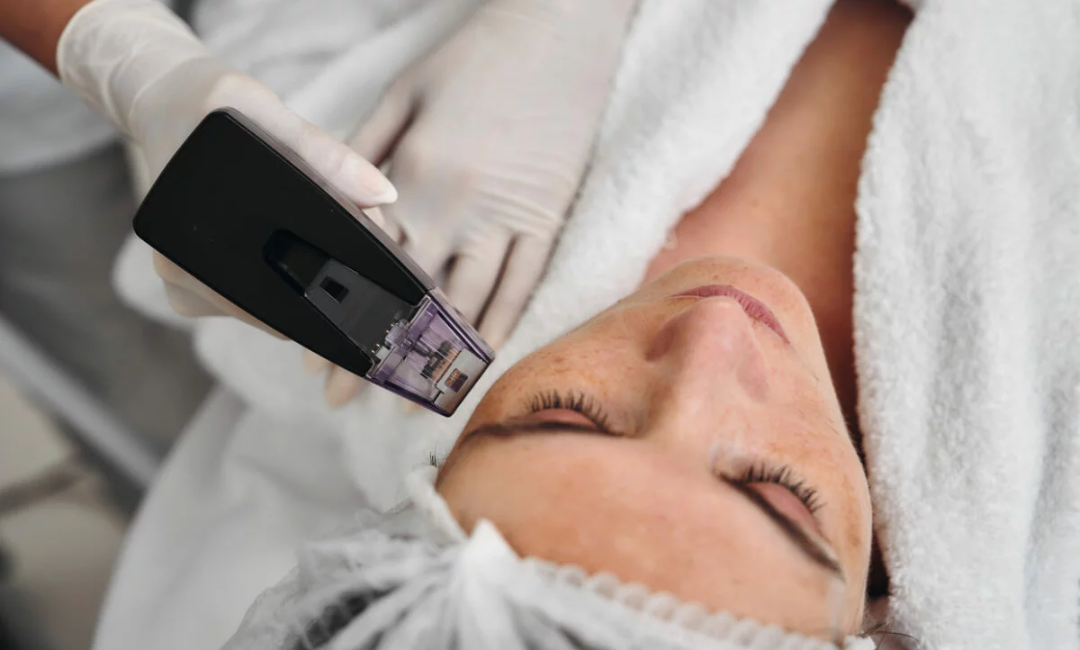
Sometimes damage isn’t obvious immediately. Here’s what to watch for in the days and weeks following treatment.
This is when the real problems emerge as swelling resolves:
By month three, you’ll know if permanent damage occurred:
If you notice these warning signs, don’t wait:
Morpheus8 doesn’t age you — bad providers do. This non-surgical skin rejuvenation treatment remains one of the safest options for addressing signs of aging when performed correctly. The key is finding someone who respects facial anatomy more than aggressive protocols.
Morpheus8 doesn’t age you — inexperienced providers do. The technology itself remains a groundbreaking treatment for skin laxity and aging. The difference between transformation and disaster? Who’s holding the device.
Key takeaways:
At Golden Rose Med Spa, Dr. Ayala Vega treats each face individually, assessing fat distribution before touching any device. We’ve performed hundreds of treatments without a single case of volume loss because we respect anatomy over aggressive protocols. Your youthful appearance is safe here.
Yes, when performed incorrectly. Overly aggressive treatment destroys facial fat, creating a gaunt, aged appearance despite improved skin texture. The tiny needles themselves aren’t the issue — it’s using body-contouring settings on delicate facial areas.
The risk increases for mature patients with already-thin faces. Without adequate facial volume to begin with, even moderate settings can accelerate visible aging. However, with proper assessment and conservative settings, this minimally invasive treatment actually reverses aging signs safely.
Beyond the volume loss risk, there are practical downsides. Downtime means looking rough for a week — red, swollen, with rough texture and bronzing. You’ll need multiple sessions for optimal results, costing $2,400-3,600 total.
Results take patience. Unlike instant gratification from fillers, you’re waiting 6-12 weeks for visible improvements. Some patients experience prolonged redness, especially those with uneven skin tone. Post-treatment sun exposure can cause hyperpigmentation, requiring religious SPF use.
The treatment hurts despite the numbing cream. Most describe it as “spicy” or “prickly heat,” though discomfort ends immediately after.
The sweet spot is 35-55 years old. At this age, you have enough facial volume to handle treatment safely while addressing early collagen loss and skin concerns effectively. Your skin still responds robustly to collagen stimulation.
Younger than 35? Unless treating acne scars specifically, you might not see significant improvement worth the investment. Your natural collagen production is still strong.
Over 55? Still excellent candidates, but require a more conservative approach. Focus on skin tightening rather than fat reduction. The treatment plan should prioritize preserving existing volume while improving skin quality.
Results typically last 12-24 months, with peak improvement at months 3-6. Your radiant skin and youthful glow emerge gradually as collagen rebuilds over a few weeks.
Longevity depends on:
–Age: Younger patients maintain results longer
–Lifestyle: Sun protection and skincare extend benefits
–Maintenance treatments: Annual touch-ups keep results fresh
–Skin condition: Better baseline health means longer-lasting results
This non-surgical solution outlasts most skin treatments. While Botox needs quarterly visits, one Morpheus8 series reduces wrinkles for over a year. The collagen you build is a structural change, not temporary swelling — even after results fade, your skin remains better than baseline.
Morpheus8 effectively treats fine lines when done correctly. The technology combines microneedling with radiofrequency to smooth wrinkles while building collagen. But aggressive treatment can create new lines by destroying facial fat, causing surrounding skin to compensate with fresh creases.
Conservative settings are key for youthful-looking skin. This non-surgical treatment works beautifully when providers respect facial anatomy rather than blast away at maximum power.
Yes, when calibrated for collagen stimulation rather than aggressive tightening. Over-tightening creates that “drum-tight” look, revealing every bone underneath. Smart providers adjust settings based on how much your skin loses elasticity naturally.
For those avoiding surgical procedures, Morpheus8 offers the perfect middle ground. This non-surgical treatment builds collagen while maintaining natural facial softness and movement.

